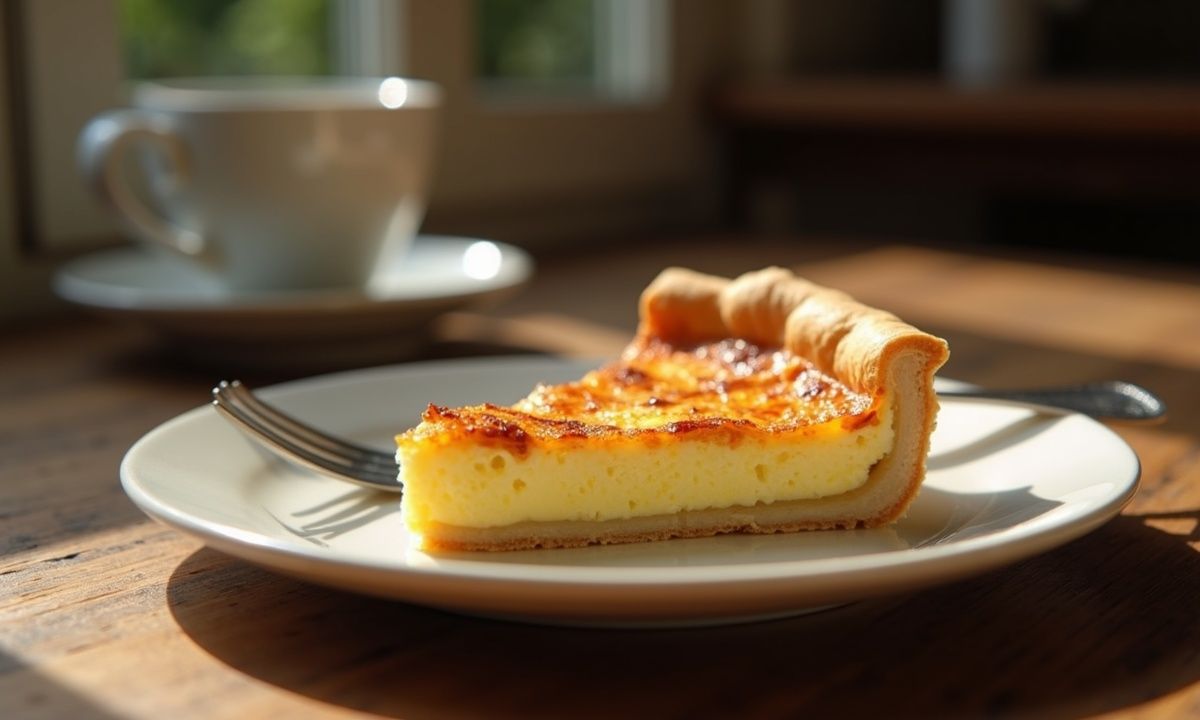
Picture yourself in a quaint French café in the heart of Lorraine, savoring a slice of Quiche Lorraine. The creamy filling, the flaky crust, and the tantalizing aroma evoke a sense of comfort and culinary tradition. However, as you relish this iconic dish, a thought crosses your mind: is this delicacy truly a product of French culinary genius? The answer is more intricate than one might assume, revealing a delightful tapestry of history and cultural exchange.
The Origins of Quiche Lorraine
Quiche Lorraine, while synonymous with French cuisine, has roots that extend beyond the borders of France. The word “quiche” itself stems from the German word “kuchen,” meaning cake. This culinary connection points to the influence of German settlers in the Lorraine region during the medieval period. The dish originally consisted of a simple pastry crust filled with eggs, cream, and lard, a far cry from the modern variations we see today.

The traditional recipe has evolved over centuries. Initially, it did not include cheese, which many contemporary versions boast. The addition of cheese likely came later, influenced by neighboring regions and the growing popularity of cheese in French cooking. Thus, while Quiche Lorraine has become a symbol of French gastronomy, its inception is a nod to the blending of cultures and ingredients.
Regional Variations
As with many beloved dishes, variations of Quiche Lorraine exist across different regions. In Alsace, for instance, one might find a quiche that incorporates local cheeses, enhancing the flavor profile and texture. The Provençal version often features an array of vegetables, showcasing the produce of the sun-soaked southern French countryside. Each region boasts its take on this classic, reflecting local tastes and ingredient availability.

Interestingly, the evolution of the quiche has extended beyond French borders. In the United States, quiche has been embraced as a brunch staple, often filled with ingredients like spinach, mushrooms, or even smoked salmon. This American adaptation illustrates how traditional dishes can be reinterpreted through the lens of cultural preferences, often leading to delightful culinary surprises.
The Culinary Renaissance of Quiche Lorraine
In recent years, Quiche Lorraine has experienced a resurgence as home cooks and professional chefs alike rediscover its charms. This revival is partly driven by a desire for comfort food that is both satisfying and versatile. The dish can be served warm or cold, making it an ideal choice for picnics, brunches, or dinner parties. Furthermore, it allows for creativity in the kitchen, inviting cooks to experiment with fillings and crust types.
Many culinary schools are now teaching the art of quiche-making, recognizing its importance in French culinary education. Institutions like The Jacques Pépin Foundation promote the preservation of traditional cooking methods, including the preparation of classic dishes like Quiche Lorraine. This emphasis on culinary heritage ensures that future generations will continue to appreciate and innovate upon this dish.
Cultural Significance
The enduring popularity of Quiche Lorraine also speaks to its cultural significance. It represents a connection to home and family, often evoking memories of gatherings around the table. In many French households, preparing a quiche is a family affair, where generations come together to share recipes and stories. This communal aspect of cooking fosters a sense of belonging and continuity, reinforcing the dish’s place in culinary tradition.
Moreover, Quiche Lorraine has transcended its humble beginnings to become a symbol of French cuisine worldwide. Restaurants in major cities across the globe feature it on their menus, showcasing its universal appeal. The dish resonates with food lovers, offering a taste of France that feels both familiar and exotic.
Modern Twists on a Classic
Today, chefs are reimagining Quiche Lorraine in exciting ways. Vegan and gluten-free adaptations have emerged, catering to diverse dietary preferences without sacrificing flavor. Ingredients like cashew cream or chickpea flour are being used to create plant-based versions, allowing many to partake in this classic dish. This evolution showcases the adaptability of Quiche Lorraine, proving that it can retain its essence while also embracing modern culinary trends.
Beyond dietary variations, the presentation of quiche has also shifted. Gourmet establishments are plating quiche with artistic flair, often pairing it with vibrant salads or unique garnishes. This attention to detail elevates the dish from a simple meal to a culinary experience, suitable for fine dining.
Recreating Quiche Lorraine at Home
For those inspired to recreate this iconic dish at home, the process can be both satisfying and straightforward. The key is to use high-quality ingredients, particularly fresh eggs and cream. A good pie crust can make all the difference; whether you choose to make your own or purchase one, the choice will influence the final product significantly. Adding a sprinkle of nutmeg or fresh herbs can also enhance the flavor profile, tailoring it to personal preferences.
As you venture into making Quiche Lorraine, consider incorporating seasonal vegetables or local cheeses. This not only supports local producers but also connects the dish to its regional roots, honoring its rich history. Sharing your homemade quiche with friends and family can foster a sense of community, echoing the dish's origins.
A Dish with a Story
Quiche Lorraine is more than just a dish; it embodies a story of cultural exchange and culinary evolution. Its journey from a simple German-inspired meal to a French classic illustrates the beauty of food as a unifying force. As you savor each bite, remember the rich tapestry of history and tradition that accompanies this beloved quiche.
Whether enjoyed in a bustling café in Lorraine or made in your own kitchen, Quiche Lorraine continues to charm and satisfy. Its ability to adapt and resonate with diverse audiences speaks to the timeless nature of good food. So next time you find yourself indulging in a slice, take a moment to appreciate not only the flavors but also the remarkable journey that brought this dish to your plate.

Comments (0)
No comments yet. Be the first to comment!
Leave a Comment