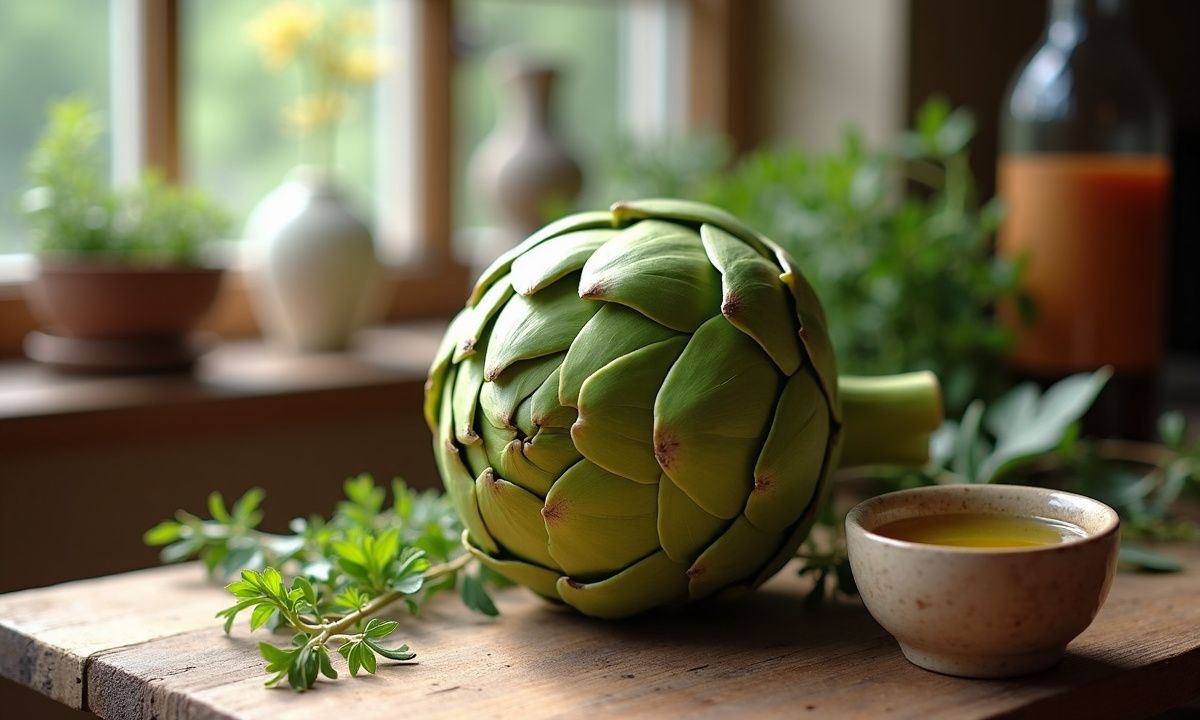
In a world where culinary trends come and go, the recent whispers of the French artichoke's comeback are hard to ignore. After a tumultuous 2025, which saw various agricultural sectors grappling with climate challenges and market fluctuations, the humble artichoke is making a gradual yet determined reappearance on French tables. This resurgence, dubbed "Le grand retour," speaks not only to a renewed fascination with local produce but also reflects broader shifts in consumer habits and environmental awareness.
The Artichoke's Unlikely Journey
The artichoke has long held a cherished place in French cuisine, from classic dishes like artichoke hearts à la barigoule to modern culinary interpretations. However, the journey of this vegetable has not always been smooth. In recent years, climate change posed significant threats to its cultivation. Farmers faced unpredictable weather patterns, pests, and diseases, leading to a decline in production. Yet, as consumers became more conscious of their food sources, a renewed interest in local and seasonal produce began to emerge, paving the way for the artichoke's comeback.
Market Demand and Consumer Awareness
In 2026, as the artichoke began to reappear in local markets, there was a notable shift in consumer preferences. French citizens showed a stronger inclination toward sustainable eating, favoring local produce over imported goods. The artichoke's nutritional benefits, including its high fiber content and rich antioxidant properties, further fueled this interest. According to the Food and Agriculture Organization, the push for sustainable agriculture is not just a trend; it’s becoming a necessity for food security globally.

Farmers responded to this shift by implementing eco-friendly farming practices. Many transitioned to organic methods, minimizing pesticide use and maximizing soil health. These practices not only benefited the artichokes themselves but also contributed positively to the local ecosystems. In this context, the artichoke's return is as much about the vegetable as it is about the community's commitment to sustainable agriculture.
Artichoke Renaissance in French Culinary Arts
As artichokes made their way back into the spotlight, chefs across France began to reimagine how this versatile vegetable could fit into modern cuisine. Restaurants, from Parisian bistros to regional eateries, started featuring artichokes prominently on their menus. Chefs experimented with various cooking techniques, showcasing the vegetable in innovative salads, pastas, and even as a main dish. This culinary renaissance was not merely about nostalgia; it was a celebration of a beloved ingredient that had been overlooked for far too long.
Connecting with Tradition
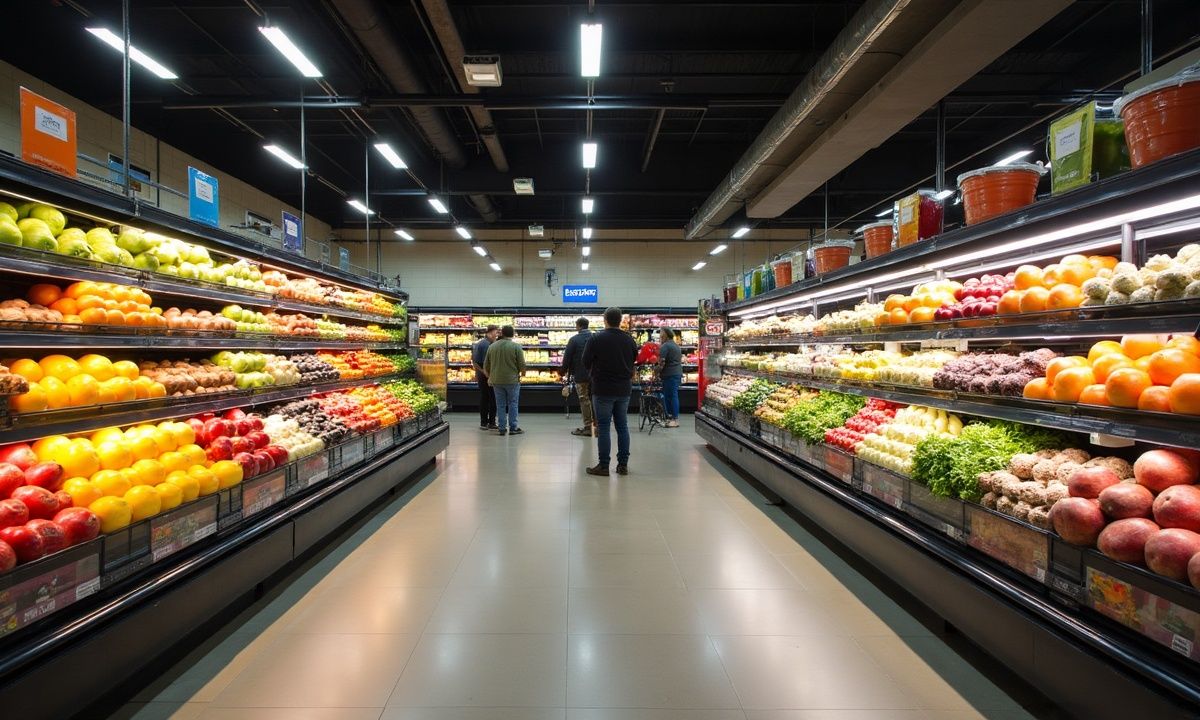
The revival of the artichoke also sparked a renewed interest in traditional recipes. Many families began to share cherished recipes passed down through generations, fostering a sense of community and continuity. This cultural connection to food is vital, especially in a time when many people feel disconnected from their culinary heritage. The artichoke became a symbol of this reconnection, reminding people of their roots and the importance of local agriculture. For more details on how consumer behavior impacts food markets, read our article on Ce moment où le client remet un article en rayon est le signal d’alarme qui inquiète les supermarchés.
The Role of Education in Promoting Local Produce
As the artichoke's popularity surged, educational initiatives played a crucial role in promoting local produce. Schools and community programs began emphasizing the importance of understanding where food comes from, often incorporating farm visits and cooking classes into their curricula. This hands-on approach fostered a sense of responsibility among younger generations towards sustainable practices.

Moreover, media campaigns highlighted the nutritional benefits of artichokes and other local vegetables, encouraging families to incorporate them into their diets. As more people became aware of the environmental and health benefits associated with eating locally, the artichoke's return was not just welcomed but celebrated. This shift aligns with the broader movement towards healthier eating habits and environmental stewardship.
Artichoke Festivals: A Community Celebration
The revival of the artichoke has also led to the establishment of local festivals dedicated to this vegetable. These events not only celebrate the produce itself but also serve as platforms for farmers, chefs, and consumers to connect. They showcase artichoke-inspired dishes, educate attendees on sustainable farming practices, and foster community spirit. Such festivals have become vital in reinforcing the narrative of the artichoke's comeback, illustrating how food can unify and inspire.
Challenges Ahead
Despite the positive momentum, challenges remain. Climate change continues to threaten agricultural practices, and maintaining sustainable methods requires ongoing effort and investment. Additionally, as the demand for local produce grows, so does the need for infrastructure to support farmers. Ensuring that small-scale farmers can compete in a market dominated by larger corporations is crucial for the continued success of the artichoke and other local produce.
Furthermore, as the artichoke finds its place in the culinary world, it faces competition from other trendy vegetables. Staying relevant requires constant innovation and adaptation to consumer tastes. The artichoke's success depends not only on its culinary versatility but also on the commitment of the community to support local agriculture.
The Future of the Artichoke in France
As we look towards the future, the artichoke stands as a testament to resilience and adaptability. Its return symbolizes a larger movement towards sustainable eating and a deeper appreciation for local produce. The story of the artichoke is not just about a vegetable; it's about the relationships we build with our food and the environment. With continued support from consumers, chefs, and farmers alike, this remarkable vegetable is set to reclaim its rightful place in French cuisine.
As we embrace this grand return, let us also remember the lessons learned from the past. The artichoke’s journey reflects the interconnectedness of our food systems and the importance of nurturing our agricultural heritage. By celebrating local produce, we not only honor our traditions but also pave the way for a sustainable future.



Comments (0)
No comments yet. Be the first to comment!
Leave a Comment